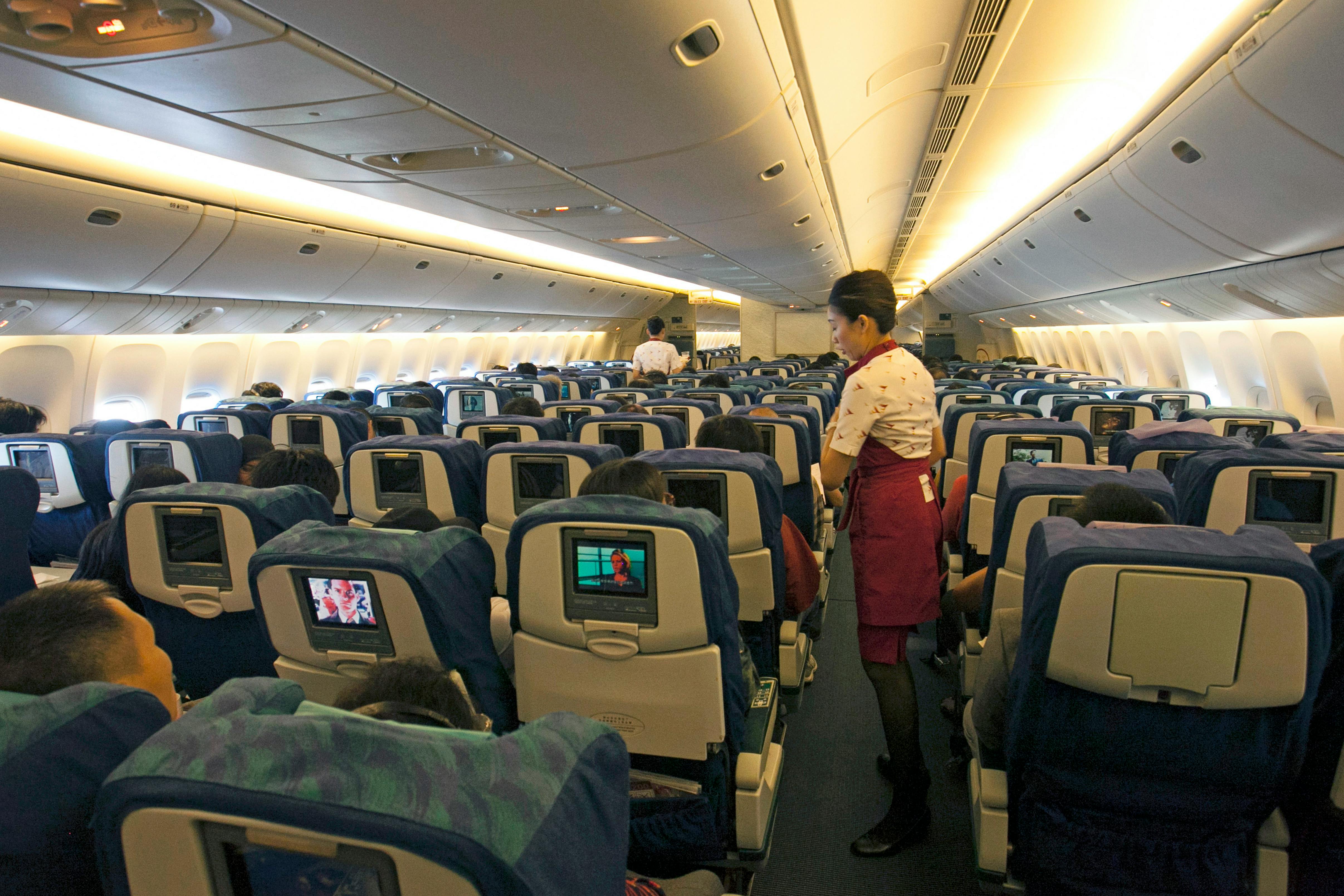
Aviation and hospitality courses in Haldwani, Uttarakhand
Aviation & Hospitality Management
Aviation & Hospitality Management is a specialized field that combines the operational and customer service aspects of the aviation and hospitality industries. This sector focuses on ensuring smooth operations in airports, airlines, hotels, and other travel-related businesses while delivering high levels of customer satisfaction. Aviation and hospitality management professionals are trained to handle the complexities of managing airport logistics, passenger services, hotel operations, and customer interactions.
- Airport Ground Staff Training
- Front Office & Customer Service
- Hotel & Hospitality Operations
Airport Ground Staff Training
Airport ground staff play a crucial role in ensuring the smooth operation of an airport. Ground staff are responsible for handling passenger services, baggage management, security checks, and aircraft coordination. Training for ground staff includes learning about airport procedures, safety regulations, and customer service protocols. They are trained to assist passengers with check-in, ticketing, boarding, and special assistance requirements such as for the elderly or differently-abled passengers. Ground staff also handle issues related to lost baggage, flight delays, and cancellations, requiring excellent problem-solving skills and emotional intelligence. Additionally, they are trained in airport security procedures, including passenger screening, handling restricted items, and responding to emergencies. The ability to remain calm under pressure, communicate effectively, and work as part of a team is essential for ground staff. Professional grooming, language skills, and a positive attitude are key aspects of ground staff training to ensure that passengers have a pleasant and stress-free airport experience.
Front Office & Customer Service
Front office and customer service are critical components of both the aviation and hospitality industries. In the aviation sector, front office staff manage customer interactions at airline counters, help with reservations, provide flight information, and resolve customer complaints. In the hospitality sector, front office staff at hotels manage check-ins, check-outs, reservations, and guest services. Training for front office and customer service roles includes communication skills, conflict resolution, and handling customer requests with professionalism and efficiency. Staff are trained to handle various situations, such as room changes, flight rescheduling, and special guest requirements. Strong interpersonal skills, patience, and cultural sensitivity are essential to providing high-quality customer service. Additionally, front office professionals are expected to have knowledge of computer systems used for booking and reservations, as well as local travel information to guide guests and passengers effectively. Handling VIP guests, managing feedback, and maintaining a professional appearance are important aspects of front office and customer service training.
Hotel & Hospitality Operations
Hotel and hospitality operations involve the day-to-day management of hotels, resorts, and other accommodation facilities. This includes managing housekeeping, food and beverage services, guest relations, and maintenance. Training in hotel and hospitality operations covers areas such as hotel booking systems, room service protocols, hygiene standards, and guest satisfaction strategies. Staff are trained to manage hotel amenities, including spas, restaurants, and conference rooms, ensuring that guests have a comfortable and memorable stay. Food and beverage management is a key part of hospitality operations, requiring knowledge of menu planning, food preparation, and service techniques. Hotel staff are also responsible for handling customer complaints, coordinating with other departments, and ensuring that rooms and public areas are clean and well-maintained. Effective communication and teamwork are essential for coordinating services and addressing guest needs promptly. Hospitality professionals are also trained to handle large-scale events such as weddings, corporate meetings, and conferences, ensuring smooth execution and client satisfaction.